 FR
FR 
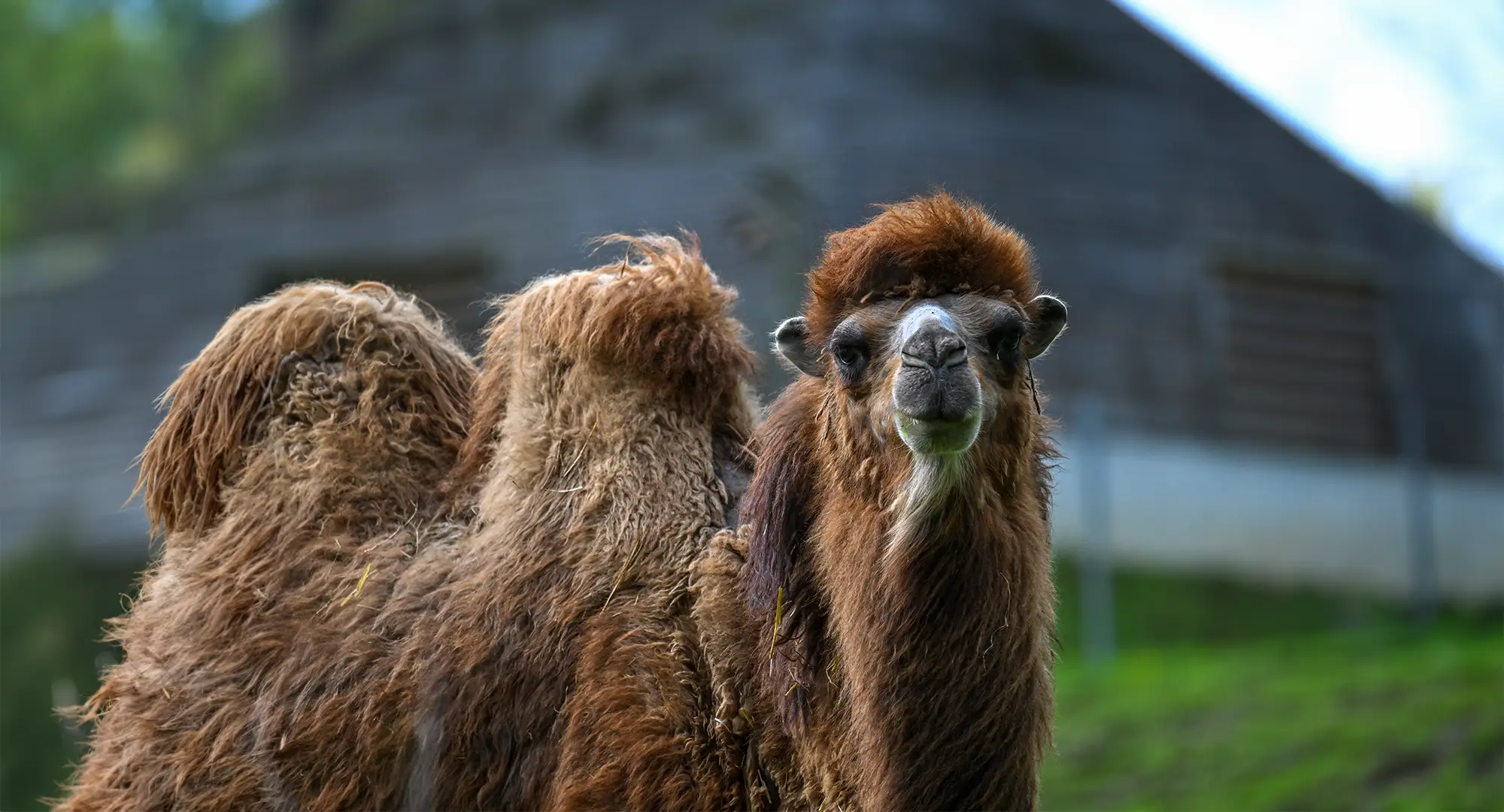
Bactrian Camel
I.U.C.N status
International Union for Conservation of Nature


Identity card
Leaves, grass, seeds... Can also feed on meat and bones if no vegetation is available.
Did you know?
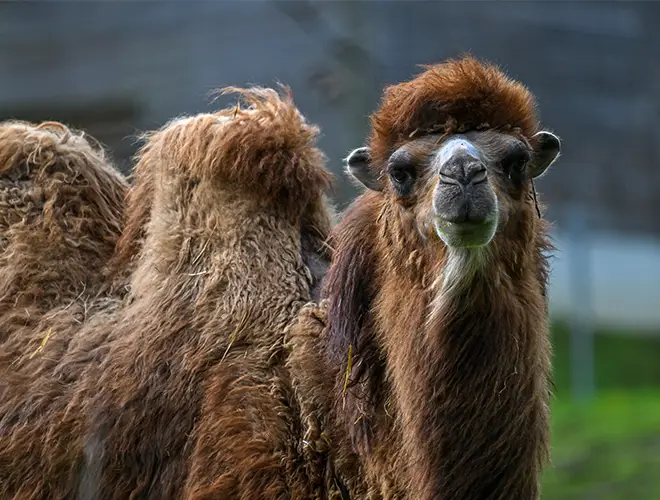
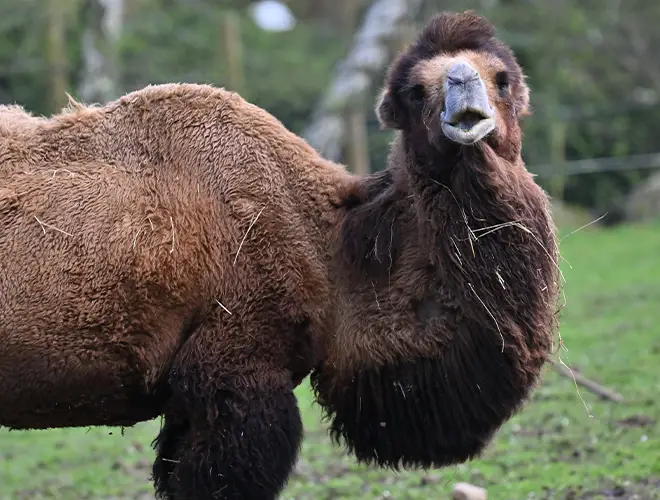
The Bactrian camel is perfectly adapted to arid environments, thanks to its two conical humps that store fat, serving as reserves of food and water. During periods of drought, it can convert this fat into water to survive. Its body is designed to withstand extreme conditions: its nostrils close during dust storms, and its thick eyelids and eyelashes protect its eyes.
Threats and conservation
The wild population is now down to less than a thousand individuals. The wild Bactrian camel faces several threats: habitat loss due to agriculture, desertification, climate change, and poaching for its meat and skin. Additionally, extreme weather conditions affect access to water and grazing, further exacerbating the dangers for the species.